
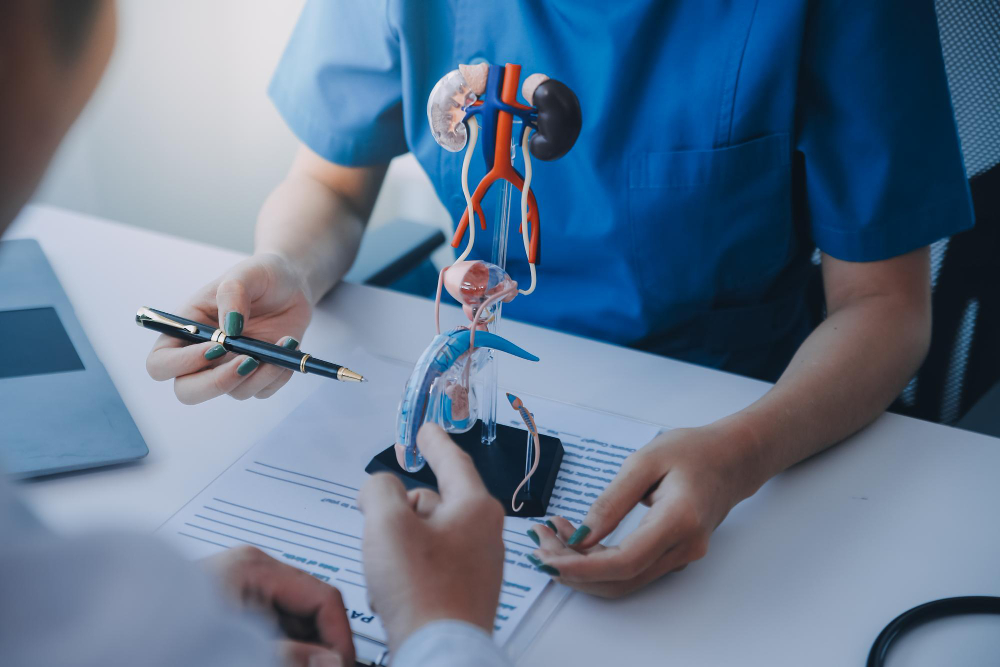
What is RIRS?
RIRS stands for Retrograde Intrarenal Surgery. It is a modern, minimally invasive urology procedure. Doctors use RIRS to treat kidney stones and some other kidney problems. During the RIRS procedure, a thin, flexible tube called a ureteroscope is passed through the urinary tract. This allows doctors to see and treat stones inside the kidney without making any cuts. Because RIRS is less invasive, it is often safer and more comfortable than older methods. Many people choose RIRS for kidney stone treatment because it offers a quicker recovery and less pain.
Indications for RIRS
Doctors may suggest RIRS for several reasons. Usually, it is recommended when:
Sometimes, RIRS is also used to treat tumors or other growths inside the kidney. However, most people have RIRS for kidney stone removal.
How the RIRS Procedure Works
First, you will receive anesthesia to keep you comfortable. Next, the doctor gently inserts a flexible ureteroscope through the urethra and bladder, then into the kidney. Because the scope is thin, there is no need for any cuts. The doctor can see the stones using a camera at the tip of the scope. Then, a laser breaks the stones into tiny pieces. After that, the pieces are removed or left to pass naturally. Sometimes, a small tube called a stent is placed to help urine flow. Most RIRS procedures take one to two hours.
Benefits of RIRS
RIRS offers many advantages over traditional surgery. For example:
Because RIRS is minimally invasive, most people recover quickly and feel better sooner.
Risks and Possible Complications
Although RIRS is safe, every procedure has some risks. Common risks include:
However, serious problems are rare. According to the World Health Organization, most people have no major issues after RIRS.
Recovery and Aftercare
After RIRS, you may go home the same day or after one night. You should drink plenty of water to help flush out any stone fragments. Some people may have mild pain or blood in the urine for a few days. Your doctor may give you medicine for pain or infection. If a stent was placed, it will be removed after a few days or weeks. To recover well, follow these steps:
If you notice any unusual symptoms, contact your doctor right away.
Prevention Tips After RIRS
To prevent new kidney stones after RIRS, you can:
Because kidney stones can return, regular check-ups are important. Your doctor may suggest tests to monitor your kidney health.
In summary, RIRS is a safe and effective way to treat kidney stones with less pain and faster recovery. Consult a urologist for personalized advice about RIRS and kidney stone treatment.