Introduction
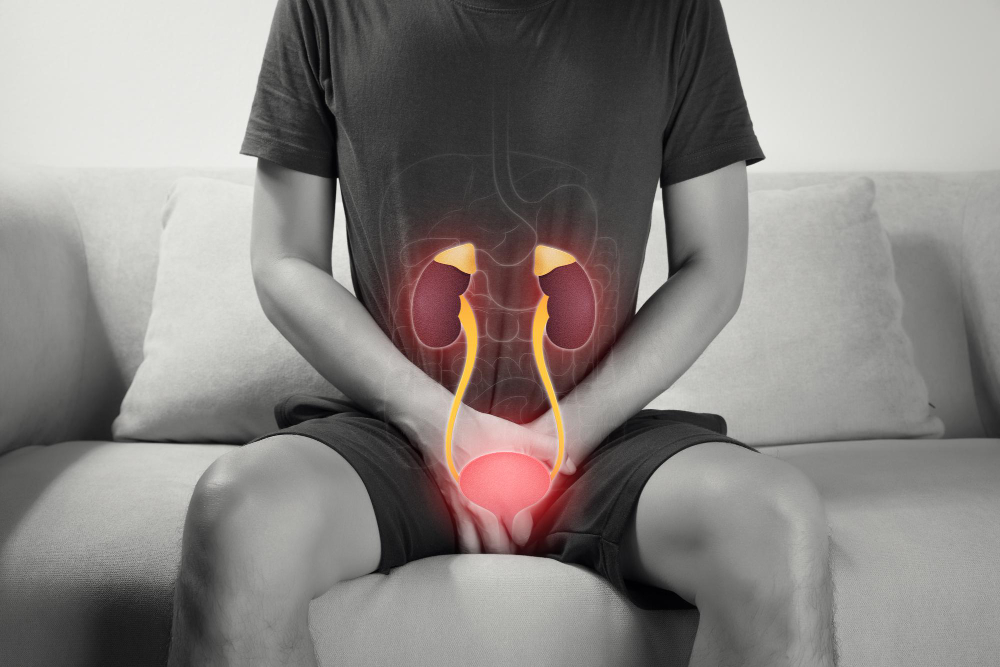
Bladder infections are a common health problem. They happen when bacteria enter the bladder and cause irritation. Often, these infections are part of a group called urinary tract infections (UTIs). Early signs of bladder infection can be mild, but they may get worse if ignored. Because untreated bladder infections can lead to serious issues, it is important to know the symptoms and act quickly.
Early Signs and Symptoms
Recognizing the early signs of bladder infection helps you get treatment sooner. Usually, symptoms start suddenly. However, some people may notice only mild discomfort at first. Watch for these common early signs:
Sometimes, you may also see blood in your urine. In children or older adults, symptoms can be different. For example, they may feel tired, confused, or have a fever. If you notice any of these early signs of bladder infection, it is wise to pay attention.
Causes and Risk Factors
Most bladder infections are caused by bacteria, especially Escherichia coli (E. coli). These germs usually live in the gut but can enter the urinary tract. There are several risk factors that can increase your chances of getting a bladder infection:
Additionally, people with diabetes or kidney stones are at higher risk. Knowing these causes and risk factors can help you take steps to prevent bladder infections.
When to Seek Medical Attention
Sometimes, bladder infections can clear up on their own. However, you should not ignore early signs. If you notice symptoms like burning, pain, or blood in your urine, it is best to see a doctor. Moreover, seek help right away if you have:
These may be signs the infection is spreading. Early treatment can prevent serious problems. Therefore, knowing when to see a doctor for bladder infection is very important.
Diagnosis Process
Doctors use simple tests to diagnose bladder infections. First, they will ask about your symptoms. Next, they may ask for a urine sample. This helps check for bacteria, blood, or pus. Sometimes, more tests are needed if you have frequent infections. For example, your doctor may order an ultrasound or a special X-ray. These tests help rule out other problems. Quick diagnosis leads to faster treatment and better results.
Treatment Options
Treating bladder infections is usually straightforward. Most people get better with antibiotics. Your doctor will choose the right medicine based on your symptoms and test results. It is important to take all your medicine, even if you feel better. In addition, drink plenty of water to help flush out bacteria. For pain, your doctor may suggest over-the-counter medicine. If you have frequent infections, your doctor may suggest other treatments or tests.
Prevention Tips and Lifestyle Guidance
Preventing urinary tract infections is possible with simple steps. Try these tips to lower your risk:
Additionally, talk to your doctor if you get bladder infections often. They can help you find the best prevention plan for your needs.
Conclusion
Bladder infections can cause discomfort and lead to serious problems if ignored. However, knowing the early signs of bladder infection helps you act fast. If you notice symptoms, do not wait. Consult a urologist or healthcare provider if you notice early signs of a bladder infection.