
Introduction: What Is Urethral Stricture?
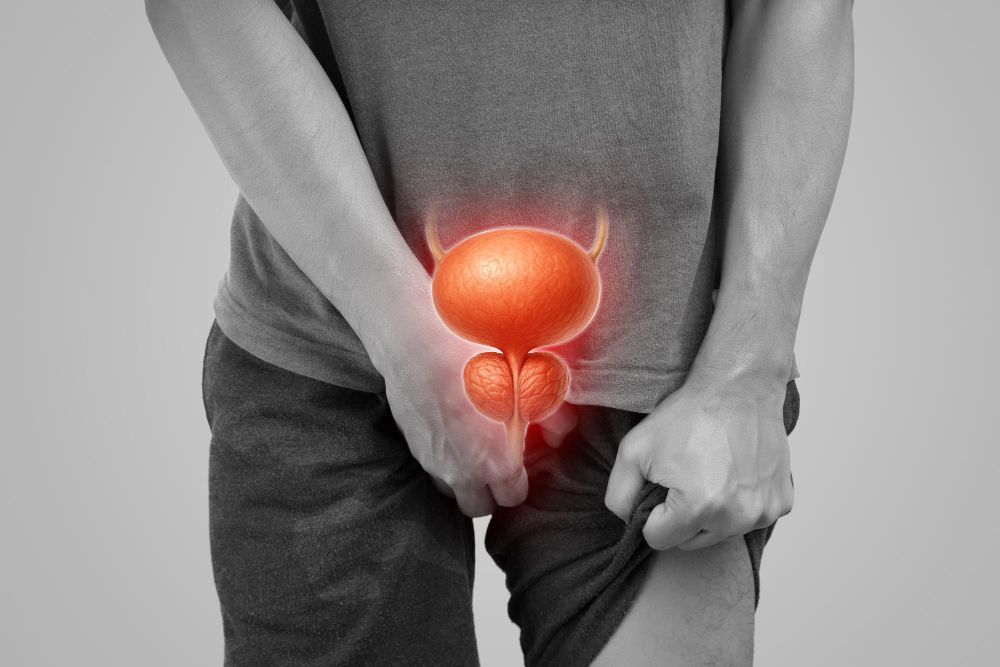
Urethral stricture is a condition where the tube that carries urine from the bladder becomes narrow. This tube is called the urethra. When it gets tight, urine cannot flow easily. As a result, you may feel pain or notice other problems. Although this issue can affect anyone, men are more likely to get it. Because it can cause discomfort and health risks, it is important to know how to prevent urethral stricture.
Causes and Risk Factors
Many things can lead to urethral stricture. For example, injuries, infections, or medical procedures may harm the urethra. Sometimes, repeated use of catheters or surgery in the pelvic area can also cause it. In addition, sexually transmitted infections (STIs) like gonorrhea or chlamydia increase the risk. People with a history of prostate surgery or radiation are also at higher risk. Knowing these causes helps you take steps to reduce risk of urethral stricture.
Common Symptoms
Often, symptoms appear slowly. However, you should watch for these signs:
If you notice any of these symptoms, it is wise to see a doctor soon.
Diagnosis Overview
Doctors use simple tests to check for urethral stricture. First, they may ask about your symptoms and health history. Next, they might do a physical exam. Sometimes, doctors use urine flow tests or imaging, like ultrasound. In some cases, a small camera called a cystoscope helps them see inside the urethra. Early diagnosis can help prevent more problems.
Practical Tips to Prevent Urethral Stricture
Thankfully, there are many ways to protect your urethra. Here are some easy urethral health tips you can follow every day:
By following these steps, you can help prevent urethral stricture and keep your urinary system healthy.
Lifestyle and Hygiene Guidance
Besides the tips above, healthy habits make a big difference. For instance, wash your hands before and after using the toilet. Change underwear daily and choose loose, clean clothing. If you have diabetes, keep your blood sugar under control, as this lowers infection risk. In addition, avoid harsh soaps or chemicals near the genital area. These simple changes can reduce risk of urethral stricture.
When to Seek Medical Help
Sometimes, problems can happen even with good care. Therefore, see a doctor if you notice:
Early help can prevent serious issues. Do not wait if you have any of these signs.
Conclusion: Take Charge of Your Urethral Health
In summary, knowing how to prevent urethral stricture is key to staying healthy. Simple steps like safe sex, good hygiene, and quick action when symptoms appear can make a big difference. For the best advice, consult a urologist for personalized guidance.
Sources: Centers for Disease Control and Prevention (CDC), World Health Organization (WHO), National Institutes of Health (NIH)